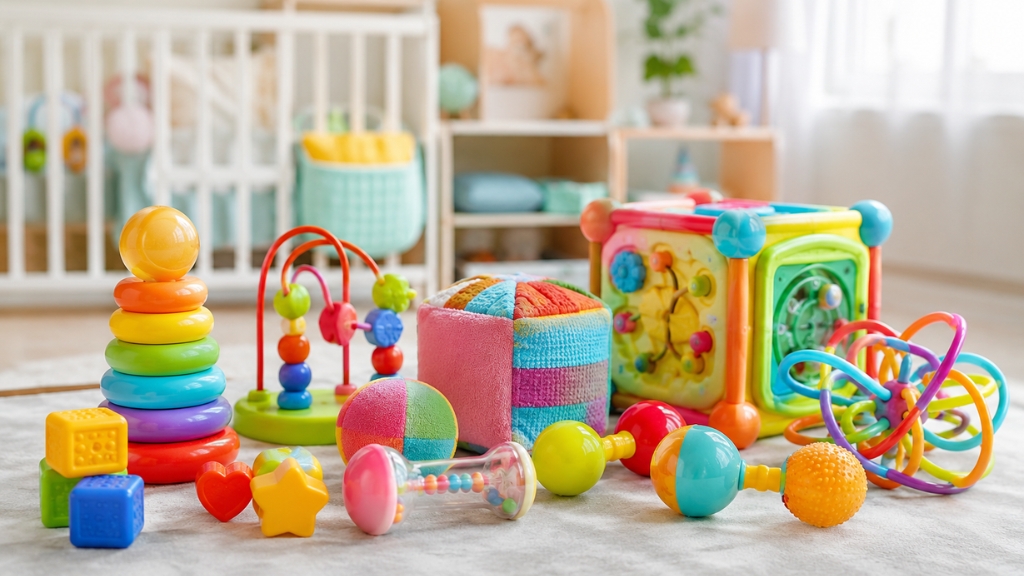
Every parent wants the best for their child, and selecting the right baby toys plays an important role in early development. While toys provide entertainment, they also help babies learn essential skills, explore their surroundings, and build confidence through play.
Today, the market offers countless baby toys in different shapes, sizes, and functions. As a result, many parents feel overwhelmed when choosing products that are both safe and beneficial. However, understanding how toys support development makes the selection process much easier.
The best baby toys encourage curiosity, stimulate the senses, and support physical and cognitive growth. At the same time, they provide opportunities for bonding between parents and children.
In this guide, you’ll learn how to choose the right baby toys, understand their developmental benefits, and discover which toys work best for different age groups.
Why Baby Toys Are Important for Early Development
Many parents view toys as simple entertainment. However, quality baby toys contribute significantly to a child’s development during the first years of life.
Babies learn through observation, touch, sound, movement, and exploration. Therefore, toys become valuable tools that help them understand the world around them.
The right toys help babies:
- Develop motor skills
- Improve hand-eye coordination
- Strengthen sensory awareness
- Encourage problem-solving
- Support language development
- Improve concentration
- Build creativity
- Increase confidence
Because every stage of development is different, choosing age-appropriate toys is essential.
How Baby Toys Support Cognitive Development
During infancy, the brain develops rapidly. Consequently, stimulating activities help strengthen important neural connections.
Educational baby toys introduce:
Cause and Effect Learning
Babies quickly learn that pressing buttons, shaking rattles, or moving objects creates responses.
Memory Development
Interactive toys encourage babies to remember sounds, shapes, and patterns.
Problem-Solving Skills
Simple puzzles and stacking toys teach babies how to solve basic challenges.
Attention and Focus
Engaging toys help babies concentrate for longer periods as they grow.
As a result, cognitive development becomes a natural part of everyday play.
Baby Toys That Support Physical Development
Physical growth is equally important during infancy.
Many baby toys help strengthen muscles and improve coordination.
Examples include:
Rattles
Babies learn to grasp, hold, and shake objects while improving hand control.
Activity Gyms
Tummy time mats encourage babies to lift their heads and strengthen neck muscles.
Stacking Toys
These toys improve hand-eye coordination and fine motor skills.
Push and Pull Toys
As babies begin walking, these toys help develop balance and coordination.
Physical activity through play helps babies reach important developmental milestones more confidently.
Choosing Safe Baby Toys
Safety should always come first when purchasing baby toys.
Because babies explore with their hands and mouths, parents should carefully evaluate every toy before purchase.
Look for toys that:
- Use non-toxic materials
- Have smooth edges
- Meet safety standards
- Avoid small detachable parts
- Feature durable construction
- Use child-safe paints
- Have age-appropriate designs
Additionally, always inspect toys regularly for damage and replace broken items immediately.
Best Baby Toys for Newborns (0–6 Months)
Newborns primarily focus on sensory development.
Therefore, simple toys often provide the greatest benefits.
Recommended baby toys include:
Soft Rattles
Gentle sounds encourage auditory development.
Crib Mobiles
Moving objects help babies track motion visually.
High-Contrast Toys
Black-and-white patterns stimulate early visual development.
Soft Plush Toys
Textured fabrics introduce sensory exploration.
At this stage, babies benefit most from toys that engage sight, touch, and hearing.
Best Baby Toys for Infants (6–12 Months)
As babies become more active, they begin exploring objects independently.
Popular baby toys for this age include:
Stacking Rings
These toys encourage coordination and problem-solving.
Musical Toys
Sounds and melodies stimulate sensory development.
Activity Cubes
Interactive features help babies discover cause-and-effect relationships.
Soft Building Blocks
Blocks support creativity and motor skill development.
Because curiosity increases during this stage, interactive toys become especially valuable.
Best Baby Toys for Toddlers (12–24 Months)
Toddlers learn rapidly through movement and exploration.
Recommended toys include:
Shape Sorters
Shape sorters encourage problem-solving and cognitive development.
Push Walkers
These toys support balance and walking skills.
Ride-On Toys
Ride-on toys improve coordination and strengthen muscles.
Simple Puzzles
Age-appropriate puzzles build confidence and concentration.
At this stage, toys that encourage active participation provide the greatest developmental benefits.
Educational Baby Toys That Grow With Your Child
Many parents prefer toys that remain useful as children grow.
Educational baby toys offer long-term value because they adapt to multiple developmental stages.
Popular options include:
- Building blocks
- Shape sorters
- Musical toys
- Interactive books
- Activity tables
- Sensory toys
- Stacking cups
These toys continue providing learning opportunities even as children develop new skills.
Why Quality Baby Toys Are Worth the Investment
Although inexpensive toys may seem appealing, high-quality baby toys often provide better safety, durability, and developmental value.
Premium toys typically offer:
Better Materials
Quality materials improve safety and longevity.
Enhanced Learning Features
Educational designs support healthy development.
Greater Durability
Well-made toys withstand daily use.
Improved Safety Standards
Trusted brands follow strict manufacturing guidelines.
As a result, investing in quality toys often saves money over time.
How to Avoid Buying Too Many Baby Toys
Many parents assume more toys automatically provide more benefits. However, too many toys can overwhelm children.
Instead, focus on:
- Quality over quantity
- Age-appropriate options
- Educational value
- Open-ended play opportunities
- Rotating toys periodically
This approach keeps playtime engaging while reducing clutter.
Final Thoughts
Choosing the right baby toys is one of the simplest ways to support your child’s development. From improving motor skills to encouraging creativity and cognitive growth, well-designed toys provide valuable learning experiences throughout infancy and early childhood.
Most importantly, prioritize safety, age-appropriateness, and educational value when making purchasing decisions. While every child develops differently, quality baby toys create opportunities for exploration, discovery, and joyful learning.
By selecting thoughtfully designed toys, you can help your child build important skills while creating meaningful moments of play and connection.